
Myoelectric Hand – Advantages, Disadvantages & How It Works
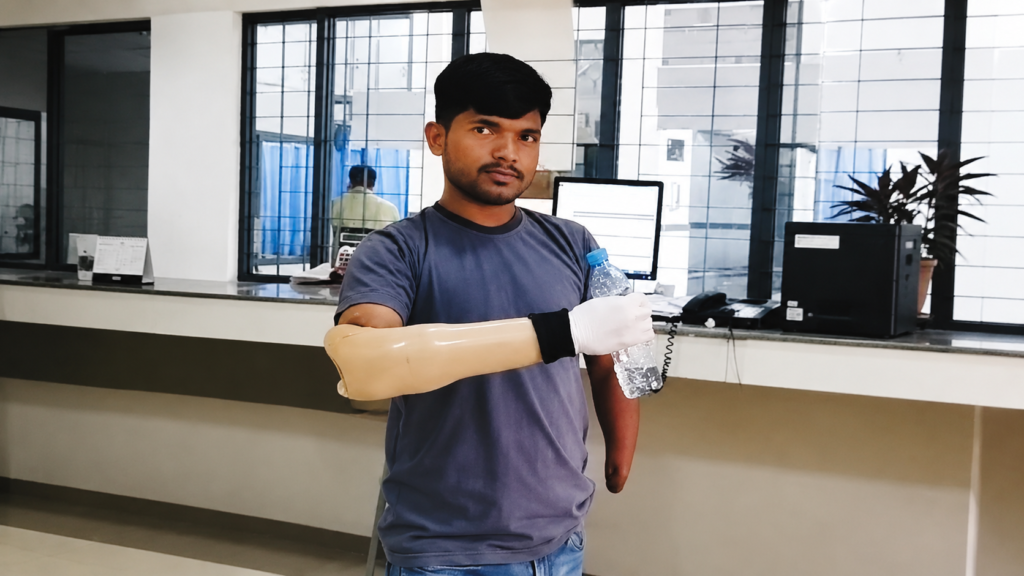
Myoelectric Hand technology is one of the most advanced innovations in modern prosthetic rehabilitation. A Myoelectric Hand is a highly advanced prosthetic device designed to help individuals with upper limb loss perform daily activities more independently and confidently. By using electrical signals generated from the user’s muscles, a Myoelectric Hand allows natural and smooth hand movements with improved control and comfort. Compared to traditional artificial hands, myoelectric prosthetic hands provide better grip strength, enhanced functionality, and a more realistic appearance.
Modern prosthetic technology has transformed rehabilitation and prosthetic care for amputees worldwide. These advanced robotic hands help users regain mobility, confidence, and independence in their everyday lives. With the support of professional rehabilitation centers like PSRD Lahore, patients can access advanced prosthetic solutions, rehabilitation services, and physiotherapy programs that improve their quality of life.
What is a Myoelectric Hand?
A Myoelectric Hand is an advanced prosthetic hand that works by detecting tiny electrical signals produced by the muscles in the remaining part of the arm. These signals are processed by sensors inside the prosthetic device, allowing the hand to open, close, and perform different movements.
Unlike body-powered prosthetics that rely on cables and shoulder movements, myoelectric prostheses provide smoother and more natural control.
How Does a Myoelectric Hand Work?
The functioning of a myoelectric hand involves several advanced components:
- Muscle Signals Detection – Electrodes placed inside the socket detect electrical activity from muscles.
- Signal Processing – The prosthetic system converts these signals into movement commands.
- Motor Activation – Small motors inside the hand move the fingers and wrist.
- Hand Movement – The user controls gripping and releasing objects through muscle contractions.
This technology allows users to perform many daily activities more comfortably and independently.
Advantages
1. Natural Appearance
It is designed to look realistic and closely resemble a natural human hand.
2. Better Functionality
Users can perform multiple daily tasks such as eating, carrying items, typing, and gripping objects.
3. Improved Comfort
These prosthetic hands eliminate the need for harnesses and cables, making them more comfortable to wear.
4. Enhanced Independence
People using myoelectric prostheses often regain confidence and independence in daily life.
5. Advanced Grip Control
Many modern myoelectric hands provide different grip patterns for various tasks.
6. Technological Innovation
Some advanced models include AI-based movement control and sensory feedback systems.
Disadvantages
1. High Cost
Myoelectric prosthetic hands are more expensive than traditional prosthetic devices.
2. Battery Dependency
These hands require charging and regular battery maintenance.
3. Maintenance Requirements
Electronic components may need repairs or professional servicing over time.
4. Learning Curve
Users often require training and rehabilitation therapy to operate the hand effectively.
5. Sensitivity to Moisture
Water and excessive moisture can affect the electronic system.
6. Limited Heavy-Duty Use
Some prosthetic hands may not be suitable for heavy lifting or rough physical work.
Who Can Benefit from it?
A myoelectric hand can help:
- Upper limb amputees
- Accident victims
- Individuals born without a hand
- Patients recovering from severe injuries
- People seeking advanced prosthetic solutions
Rehabilitation and Training
Successful use of a myoelectric hand often requires:
- Physiotherapy
- Occupational therapy
- Muscle strengthening exercises
- Prosthetic training sessions
Professional rehabilitation helps users adapt quickly and improve daily functionality.
FAQs
1. What is a myoelectric hand?
A myoelectric hand is an advanced robotic prosthetic hand controlled by electrical muscle signals.
2. How does a myoelectric prosthetic hand work?
It detects muscle signals through sensors and converts them into hand movements.
3. Is a myoelectric hand expensive?
Yes, myoelectric prosthetic hands are generally more costly due to advanced technology and electronic components.
4. Can users perform daily activities with a myoelectric hand?
Yes, users can perform many everyday tasks such as eating, writing, and holding objects.
5. Does a myoelectric hand need charging?
Yes, these prosthetic hands operate on rechargeable batteries.
6. Is therapy necessary after getting a myoelectric hand?
Yes, rehabilitation and occupational therapy help users learn effective control and movement.
7. Are myoelectric hands available in Pakistan?
Yes, several rehabilitation and prosthetic centers in Pakistan offer services.
Conclusion
A Myoelectric Hand is a remarkable advancement in prosthetic technology that improves independence, mobility, and quality of life for people with upper limb loss. Although these prosthetic devices may have some limitations such as cost and maintenance, their benefits in functionality and comfort make them a valuable solution for many users.
With continuous advancements in rehabilitation and prosthetic technology, myoelectric hands are becoming more efficient, realistic, and accessible, helping individuals lead more confident and independent lives.
Donate Now (Bank Transfer)
Account Name: Pakistan Society for Rehabilitation of Differently Abled (PSRD)
Bank Name: Faysal Bank Limited
IBAN: PK49FAYS3599301000001849
A reputable rehabilitation center in Lahore typically provides multiple services under one roof to ensure complete care and recovery. At Pakistan Society for Rehabilitation of the Differently Abled, patients benefit from a holistic approach to rehabilitation.